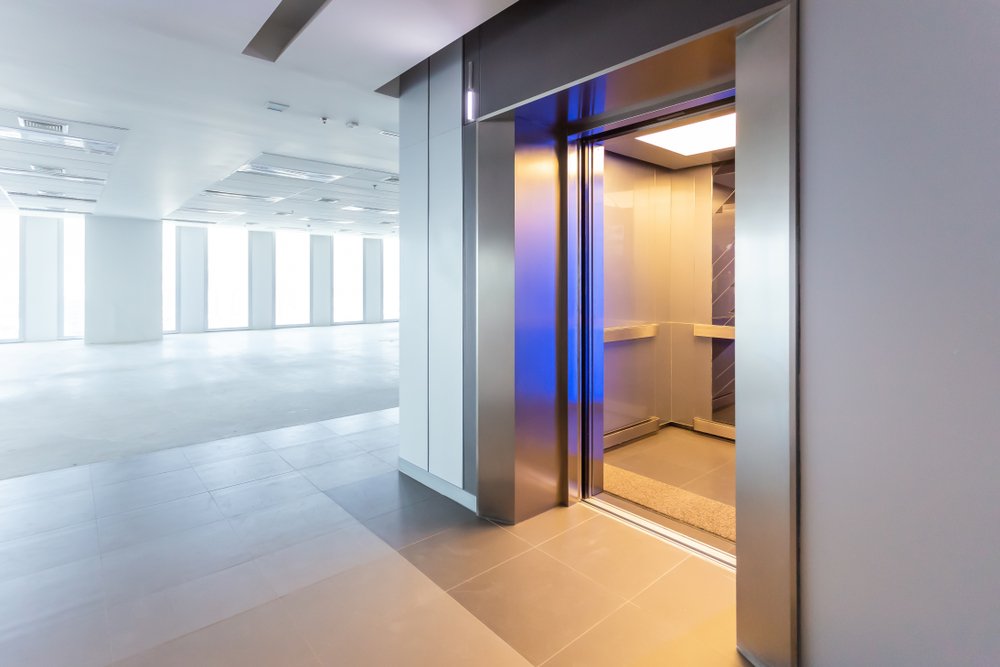
You’re constantly evolving to meet the changing times. We help you rise to the challenge. Upgrading your elevators keeps them running safely and smoothly, while minimizing costly, stressful shutdowns. We’ll work within your budget to find the right solutions to optimize performance with state-of-the-art machinery, enhanced software, or cosmetic cab and fixture replacements.
Whether updating controls or making cosmetic improvements with new fixtures or doors, we can enhance your elevator’s performance and reliability with the latest equipment and software packages.
In addition to using only reputable solid-state equipment, our engineering staff specializes in MRL systems and energy-saving control units that maximize building space while minimizing operating costs.
Upgrading your elevator with an aesthetically pleasing new cab interior makes the ride more welcoming for passengers, more appealing to new tenants, and increases the value of your property.
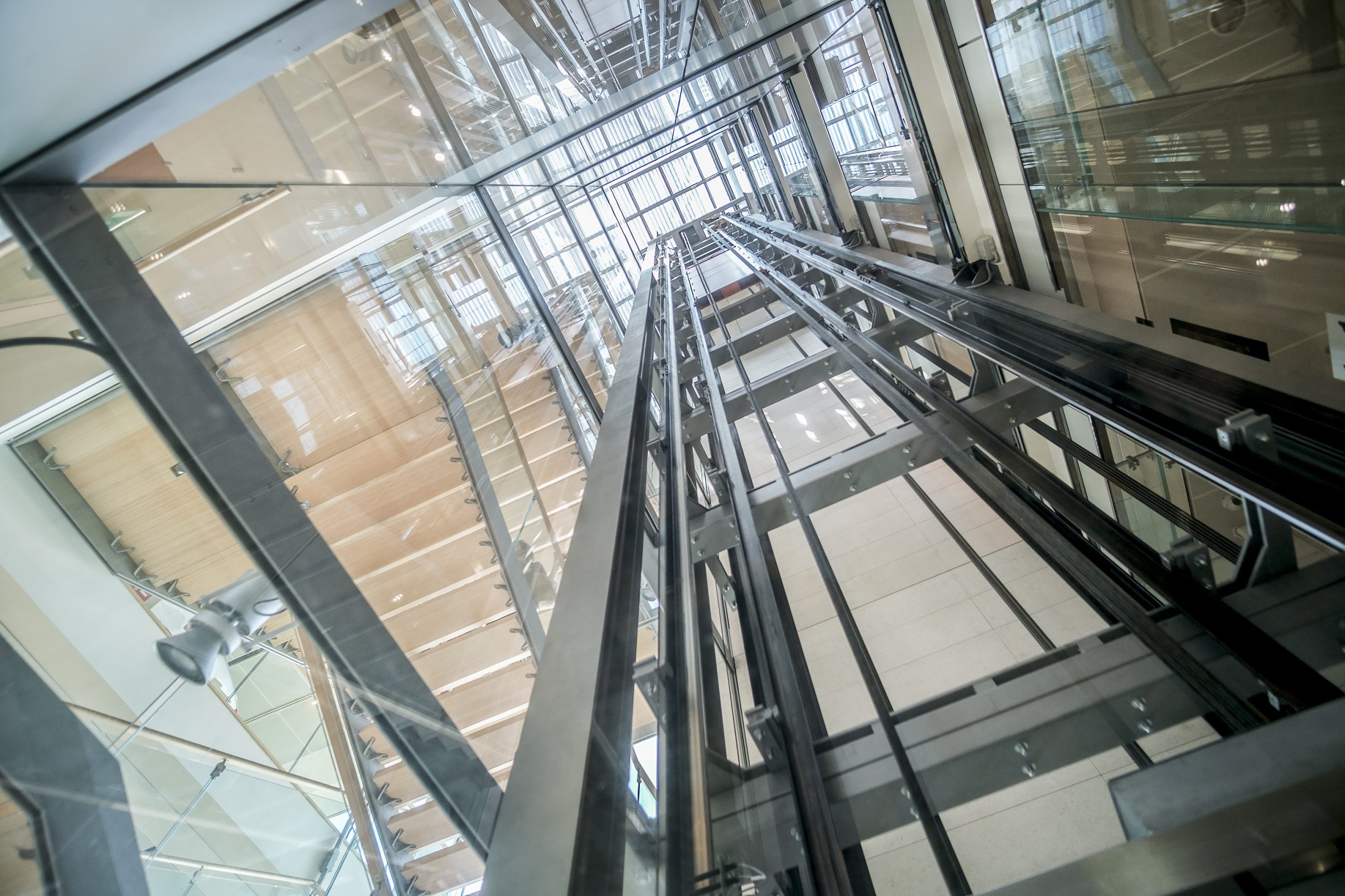
We specialize in providing new elevator installations for commercial and residential properties. Our team of skilled professionals works closely with clients to understand their specific needs and requirements.
We begin with a comprehensive consultation to assess the location, building structure, and type of elevator needed. We then conduct a detailed site survey and propose a design while ensuring compliance with legal and safety standards.
Our team handles everything from hoistway construction and hydraulic and electrical systems to cab interior finishes, and we always meet or exceed our clients’ expectations.
Our aim is to provide reliable, efficient, and safe new elevator installations tailored to your specific requirements. Please contact us today to learn more.
The first step is to determine the elevator’s purpose and capacity. Will it be used for passengers or freight? How many people will it need to transport? This information will help determine the appropriate size and type of elevator.
The next step is to choose an elevator location that is easily accessible, provides efficient vertical transportation throughout the building, and complies with local building codes and regulations.
Depending on the size and type of elevator, we will design and create drawings for the elevator cab, shaftway, and machine room.
Before construction begins, the necessary permits must be obtained from the local building department. The contractor will handle this process, but it is important to ensure that all required permits are secured before construction starts.
If the building lacks an existing elevator, demolition may be necessary to create space for the elevator shaftway and machine room.
Once the necessary permits have been obtained, construction of the elevator shaft can begin. This includes framing, pouring the concrete, and installing the necessary electrical and mechanical systems.
Once the shaft is complete, the elevator can be installed. This includes installing the rails, sling, elevator car, doors, and control systems.
After the elevator is installed, it must be tested and inspected to ensure it meets all safety and performance standards. We will work with the building owner and local authorities to schedule these tests and inspections.
Once the elevator has passed all tests and inspections, final approval from the local building department is required before the elevator can be put into service.
Once the elevator is in service, it should be maintained and serviced regularly to ensure it operates safely and efficiently. We will provide a maintenance and service plan to keep the elevator in good condition.


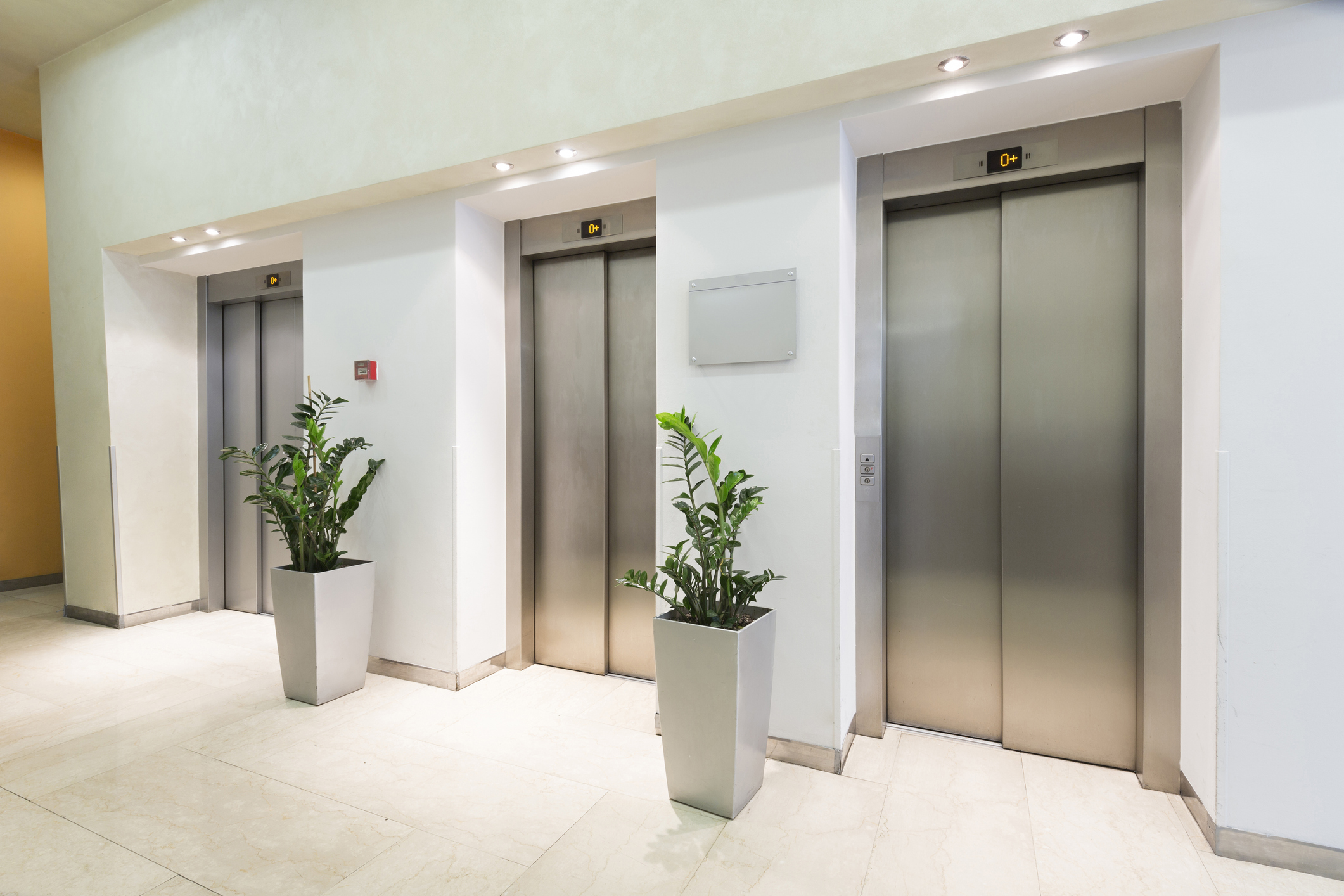
We upgrade and modernize elevator systems in commercial and residential buildings using cutting-edge technology to improve functionality, efficiency, and safety. Our team of skilled technicians provides tailored solutions to meet clients’ unique needs and budgets. We replace old components, upgrade control systems, install new traction systems, and implement new safety features.
We also renovate elevator cabs with new lighting, wall panels, floors, and ceilings. Our modernization services can be performed during off-hours or weekends to minimize disruption to building occupants.
We offer comprehensive maintenance programs to ensure optimal functionality, including regular inspections, cleaning, and quick repairs. Our goal is to build long-lasting relationships with our clients by delivering personalized services and optimal system performance.
Contact us today to learn more about our services and how we can help modernize your elevators.
First, determine whether a new elevator is necessary. Assess the building’s occupancy, the current elevator’s age, and the amount of wear and tear it has experienced.
Before starting, ensure that all necessary permits and approvals are obtained, including building permits, environmental permits (if required), and electrical permits.
Dismantle and remove all older equipment being replaced.
Once all old equipment is removed, elevator components such as rails, the hydraulic system, machinery, and cabling will be installed.
Wiring the elevator’s machinery, control panels, and lighting is important before the elevator becomes operational.
After installation is complete, the elevator will undergo a load test to ensure it can safely handle its rated load.
After the load test is completed, the final inspection will confirm whether the installation meets safety standards. Once it passes the safety inspection, the elevator can be put into service.
Elevators have many mechanical and electrical components and require ongoing maintenance and repairs to remain efficient and safe. Routine maintenance should be scheduled with a qualified technician to keep the elevator in good working condition.
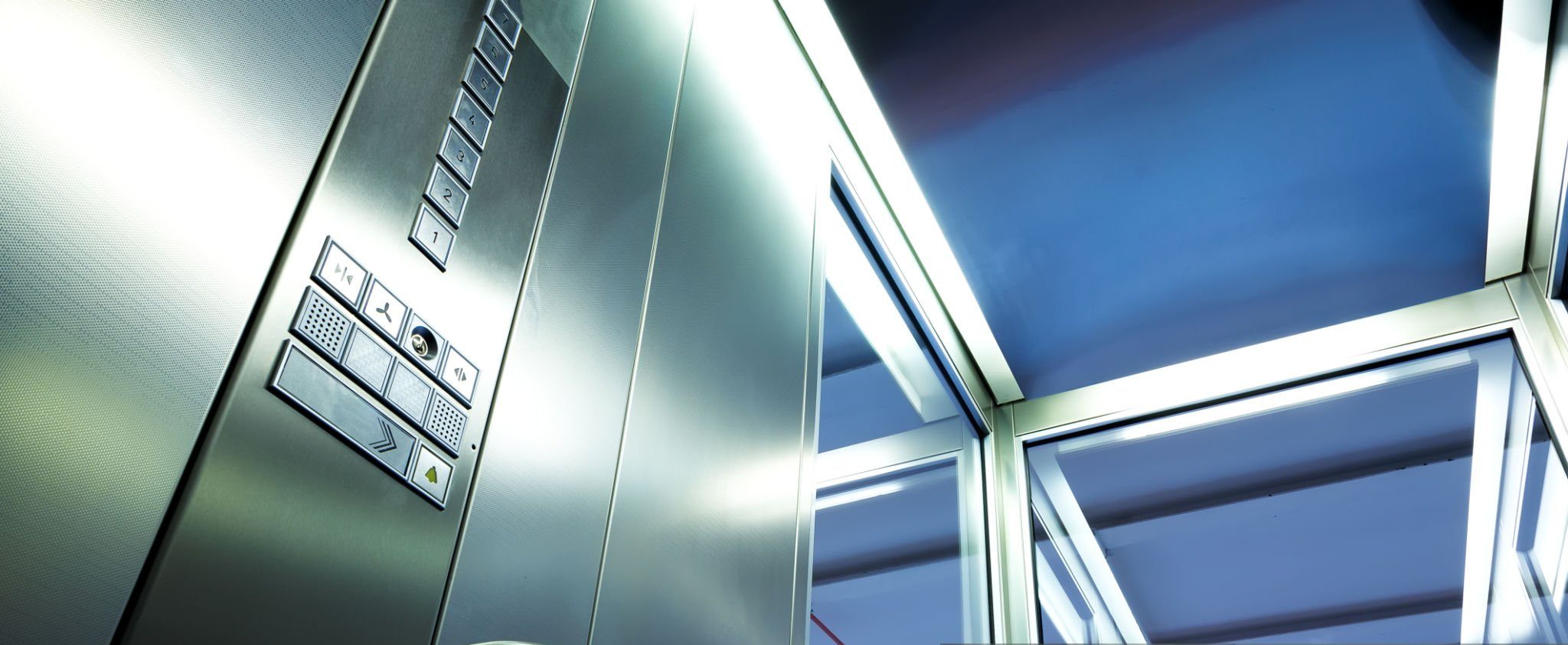
When installing or upgrading an elevator, you’ll need to choose between a proprietary system and a non-proprietary one. This is a critical decision for everyone involved in a building project. Understanding the differences is essential for aligning with the building’s operational needs, usage, and budget.